01
Call and diagnose
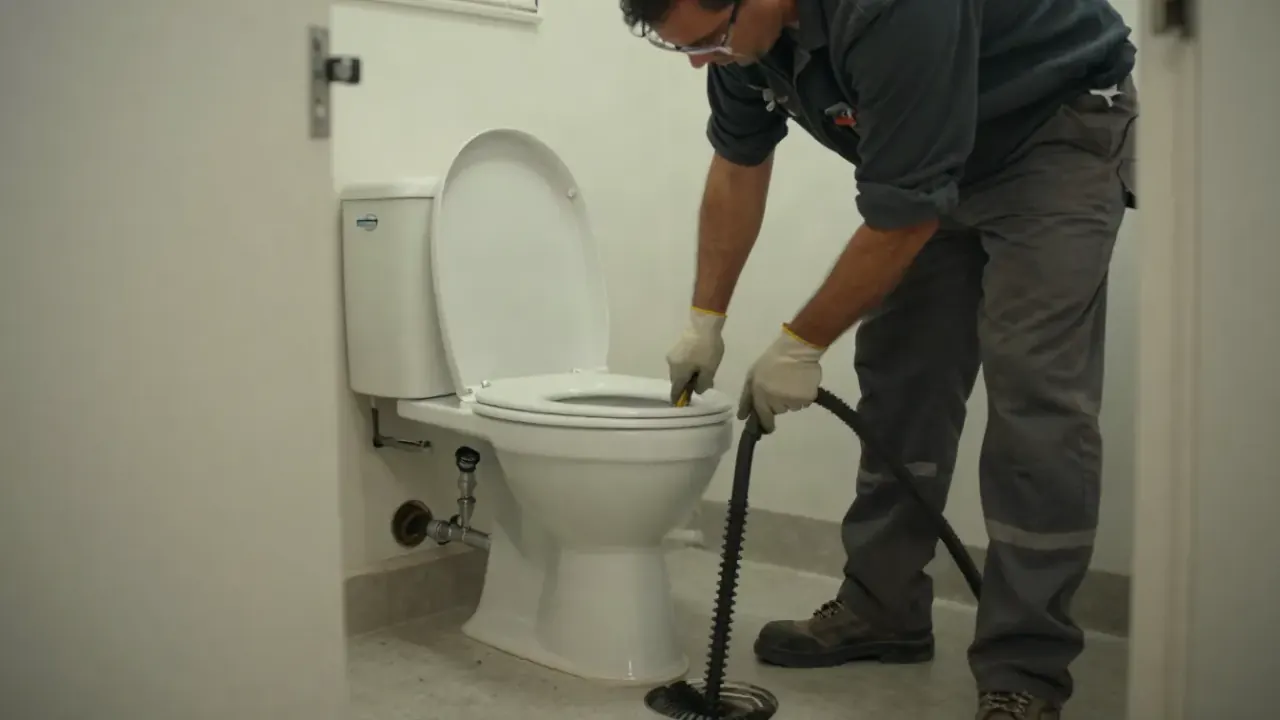
You call, we ask what is backing up and where. If it is a single fixture, we start there. If multiple drains are slow or you hear gurgling drains, we plan on the main sewer line. We give you a straight arrival window, usually same day, and we show up in it.
02
Camera inspection
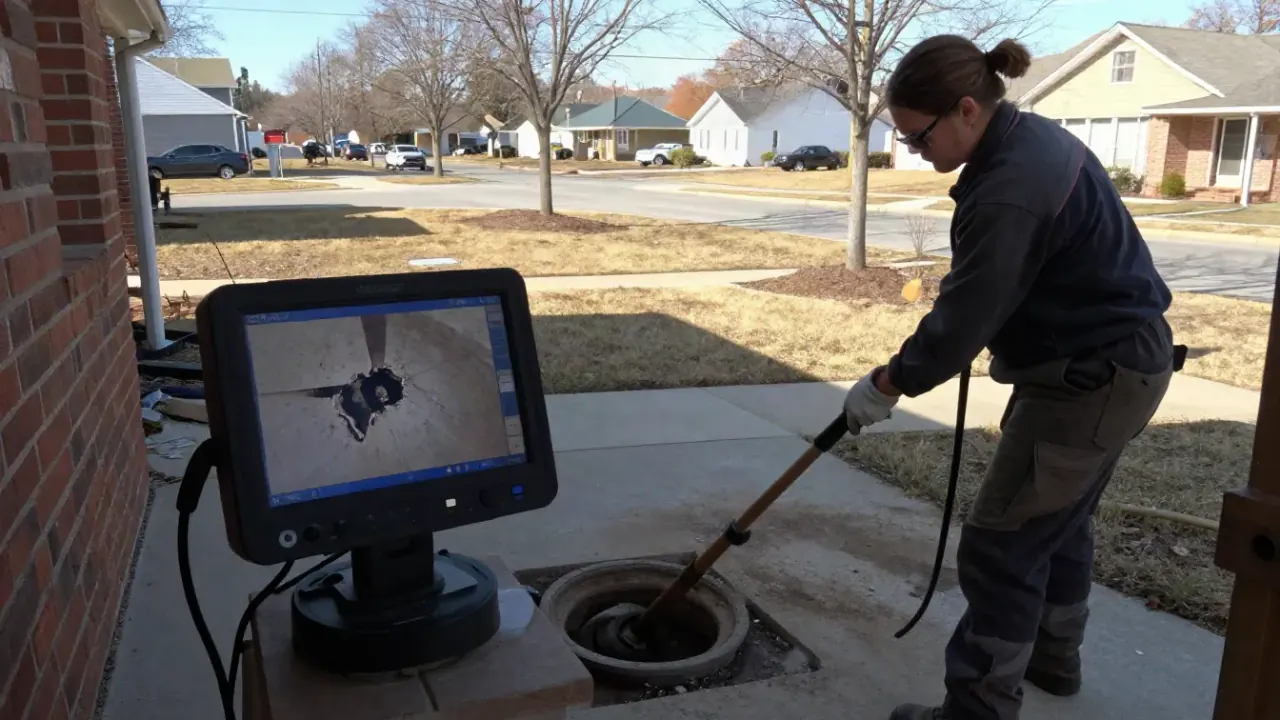
Before any water goes in the pipe, we run a sewer camera down the line. This takes 15 to 30 minutes and shows us pipe material, pipe diameter, where the blockage sits, and whether there is a crack, bellied section, or offset joint. You see the screen with us. This step is what keeps us from jetting a pipe that should not be jetted.
03
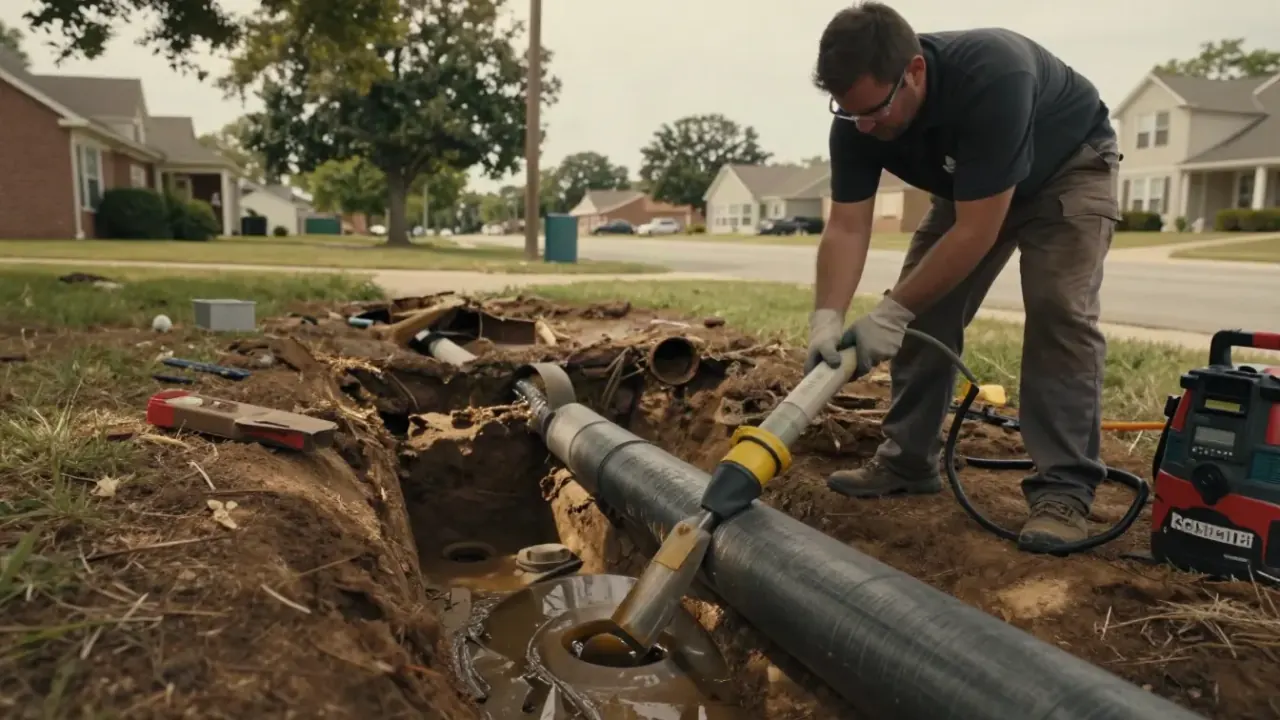
Set up and jet
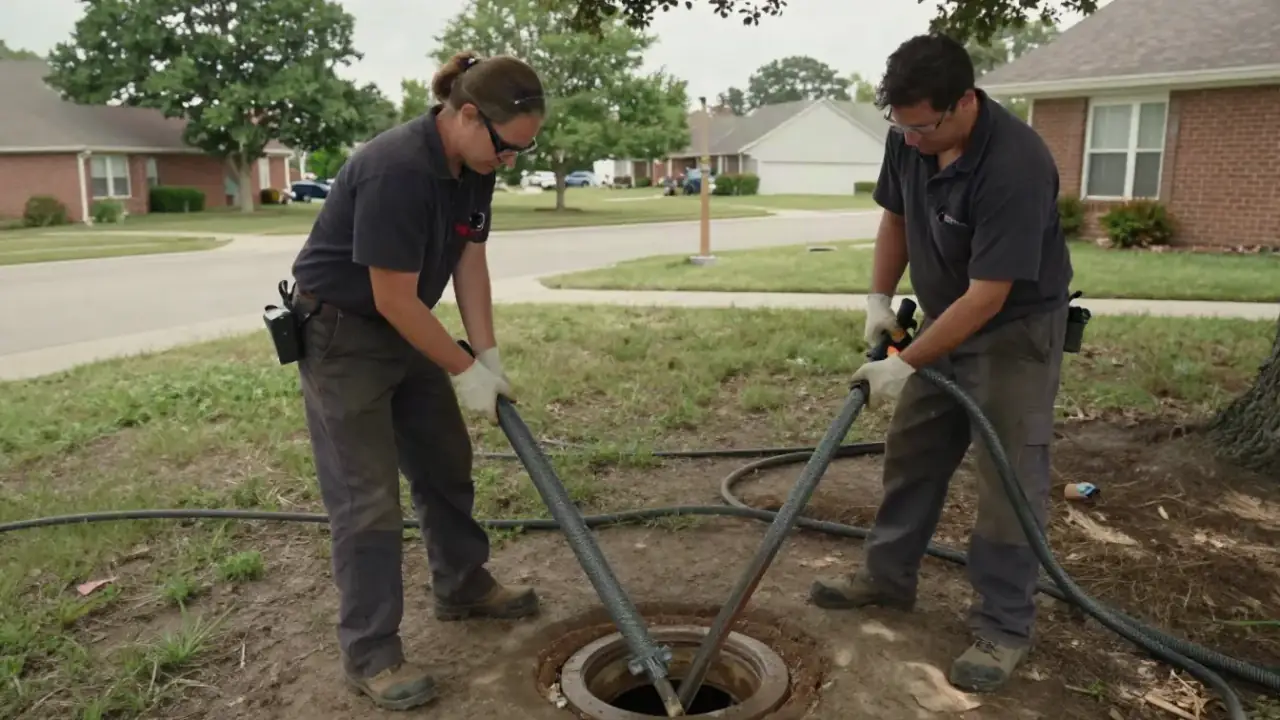
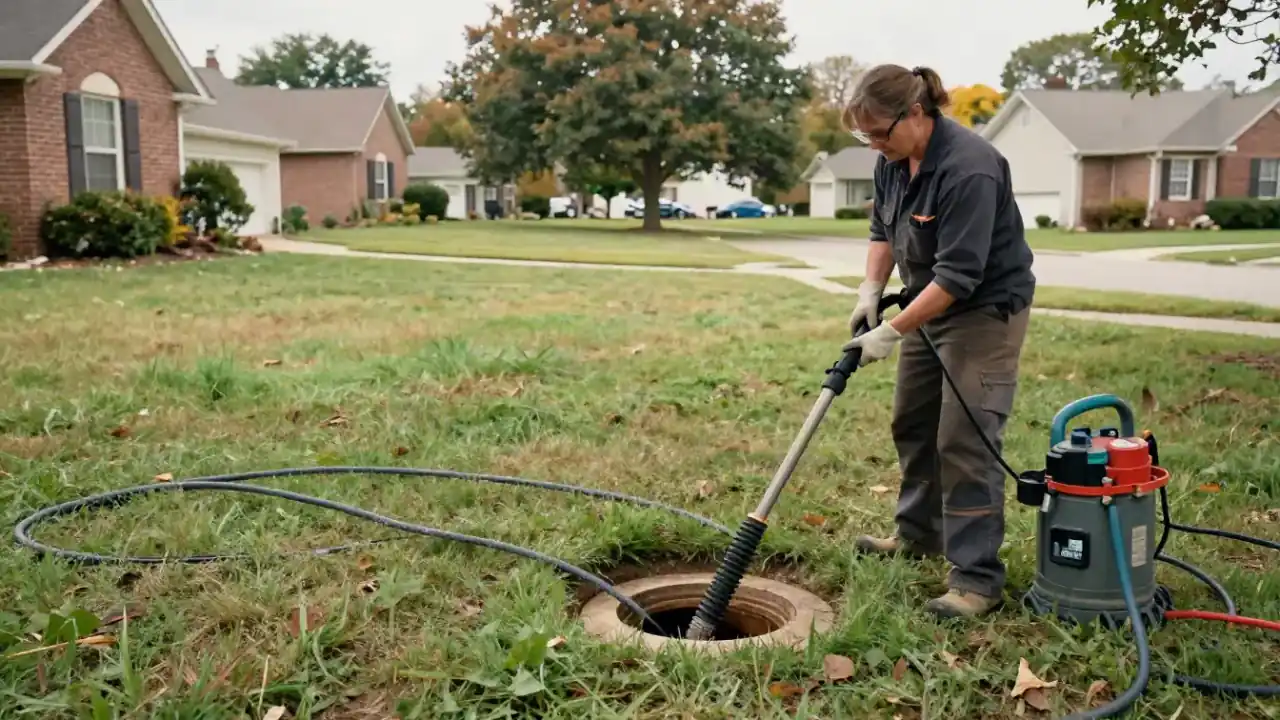
We pull the hydro jetting machine to the cleanout, feed the high-pressure hose in, and work the nozzle forward in stages. Pressure starts low and climbs as the line opens. A typical residential main takes 45 to 90 minutes. Grease-heavy commercial lines can run two to three hours with a second pass.
04
Verify on camera
When the hose comes out, the camera goes back in. We confirm the pipe wall is clean, check flow at every fixture, and look for anything the jetting exposed, like a cracked joint or a root entry point at a coupling. You get the before-and-after footage so you know the line is actually clear.
05
Report and plan
We tell you what we found, what it means, and what to do next. If the line is healthy, we may suggest an enzyme drain cleaner monthly to slow grease and biofilm. If the camera showed root intrusion at a joint, we talk about a maintenance interval or a spot repair before it becomes a sewer line backup.